


Introduction: The Silent Revolution in Tattoo Transfer Science
The shift from hectograph copiers and thermal pens to digital tattoo transfer printers represents a fundamental leap in consistency and hygiene. This technology isn’t just about convenience; it’s about applying material science to achieve perfect skin-ready transfers. Let’s dissect how modern thermal transfer printing creates a superior stencil.
The Medium: Specialty Thermal Transfer Paper. This paper is coated with a heat-sensitive layer formulated for high opacity and skin adhesion. The printer’s precision heating elements activate this coating, not by burning but by triggering a controlled chemical reaction for a jet-black, smudge-resistant line.
The Mechanism: Precision Heat Control, Not Friction. Unlike inkjet or laser, there are no nozzles to clog or toners to spill. The printhead applies heat to specific microscopic points with exact timing. This “direct thermal transfer” process is why these printers are so compact and reliable—and why the output is perfectly dry and instantly usable.
The Result: Unmatched Edge Definition. Because the line is created by a chemical change within the paper coating, its edges are exceptionally sharp. This reduces the “bleed” or fuzziness common with older methods, giving you a cleaner guideline, especially for fine lines and small text.
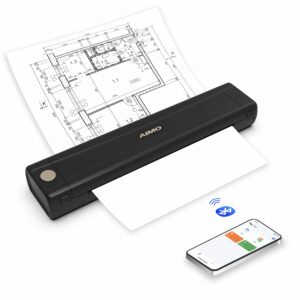
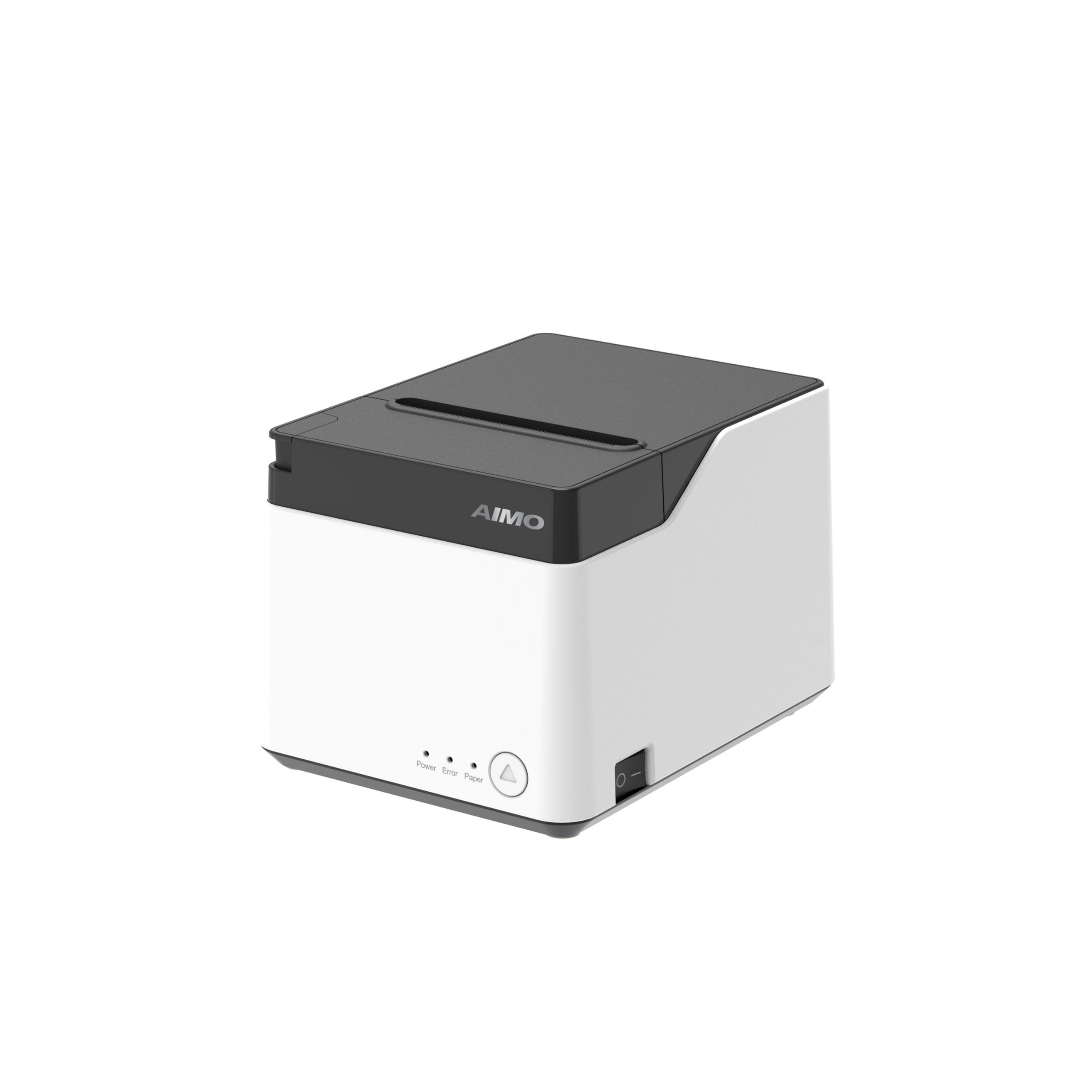
AIMO printers like the m08e-ws are engineered around this precise thermal process.
Calibrated Print Head: Consistent heat application across the entire print width is critical. The TP31’s system is calibrated to work with specific thermal paper, ensuring every stencil has uniform darkness and opacity, from the first print of the day to the last.
Paper Path Precision: Even a minor paper skew can ruin a symmetrical design. The printer’s internal guide system is designed to handle different roll widths (like 2-inch or 3-inch tattoo paper) with absolute feed accuracy, ensuring perfect registration.
Durability for a Demanding Process: The printer isn’t just moving paper; it’s executing a precise thermal process repeatedly. The internal components are selected for durability to maintain calibration over thousands of prints—a necessity for a busy studio.
Conclusion: Embracing a More Scientific, Reliable Standard
Understanding the technology behind your tattoo transfer printer empowers you to demand more from your tools. It’s no longer a black box but a precision instrument that leverages chemistry and engineering to give you a more reliable, higher-fidelity stencil than was ever possible with analog methods.
Upgrade your transfer process with engineered precision. Explore the technology inside AIMO’s dedicated tattoo transfer printers.